
Why Lawyer SEO Strategy Is the Smartest Investment Your Firm Can Make
When someone needs a lawyer, the first thing most people do is open Google and search for one nearby. They type phrases like “divorce attorney near me,” “criminal defense lawyer in [city],” or “personal injury attorney free consultation.” If your firm does not appear prominently in those results, that potential client calls someone else — and in legal services, a single retained client can generate thousands of dollars in fees.
Local search has become the dominant lead source for law firms of every size. The local map pack — the cluster of three business listings that appears near the top of Google’s results — is visible, trusted, and clicked heavily. Below it, organic results from law firm websites generate additional inquiries. Ranking well in both places requires a deliberate, layered approach called a lawyer SEO strategy.
This guide covers every component of that strategy: your Google Business Profile, on-page SEO, content, reviews, citations, link building, and performance tracking. Each section is written to be actionable for attorneys and legal marketing staff who are not technical SEO specialists.
—
Google Business Profile Optimization
Your Google Business Profile (GBP) is the foundation of local visibility. It powers your map pack listing and feeds information to Google Search, Google Maps, and voice assistants.
Claiming and verifying your listing. Search for your firm name in Google Maps. If a listing exists, claim it. If none exists, create one at business.google.com. Verification typically arrives by postcard, phone, or video — follow the current prompts Google provides. An unverified profile cannot be managed and may show incorrect information.
Choosing the right categories. Your primary category should be as specific as possible — “Personal Injury Attorney,” “Family Law Attorney,” or “Criminal Justice Attorney” rather than the generic “Law Firm.” Add secondary categories for every major practice area you offer. Categories directly influence which searches trigger your listing.
Writing an optimized business description. Use your 750-character description to explain who you serve, what practice areas you handle, and what geographic area you cover. Naturally include your primary keyword and city name. Avoid keyword stuffing; write for the prospective client first.
Adding photos, services, and products. Upload a professional exterior photo, interior photos, attorney headshots, and team images. Complete every service entry with a name and description. Firms with thorough, regularly updated profiles tend to see stronger map pack visibility than those with sparse listings.
Posts, Q&A, and updates. Use Google Posts to share news, promotions (such as free consultations), or educational content. Monitor the Q&A section and answer questions proactively — unanswered questions may be answered by strangers. Regular activity signals to Google that your profile is actively managed.
Managing multiple locations. If your firm has offices in several cities, create a separate, fully optimized GBP for each location with that city’s address, local phone number, and location-specific description. Each profile should link to a dedicated location page on your website.
—
On-Page SEO for Law Firm Websites
Your website is where GBP visitors land and where organic search rankings are earned. Every page needs to be structured so search engines and potential clients immediately understand what you do and where you practice.
Title tags and meta descriptions with location keywords. Each practice area page should have a unique title tag in the format: [Practice Area] Attorney in [City] | [Firm Name]. Meta descriptions should summarize the page benefit and include a soft call to action. These elements influence click-through rates from search results.
Service area pages and city pages. If you serve clients across a metropolitan region or multiple counties, create individual pages targeting each city or county. Each page should include unique content — local court information, relevant statutes, community context — not duplicated text with only the city name swapped.
Schema markup. Implement structured data to help search engines understand your content:
| Schema Type | What It Communicates | Where to Place It |
|---|---|---|
| LocalBusiness / LegalService | Firm name, address, phone, hours | Homepage and location pages |
| Service | Practice area names and descriptions | Each practice area page |
| FAQ | Common questions and answers | FAQ sections, practice pages |
| Person | Attorney bio, credentials | Attorney profile pages |
| Review / AggregateRating | Star rating, review count | Where permitted by bar rules |
Internal linking structure. Link from your homepage to each practice area page, from practice pages to related blog posts, and from blog posts back to relevant practice pages. This distributes authority across your site and helps visitors navigate logically.
Mobile optimization and page speed. A large share of legal searches happen on smartphones — often by people in stressful situations who need help immediately. Test your site with Google’s PageSpeed Insights. Prioritize fast load times, legible text sizes, and click-to-call buttons prominently placed on mobile layouts.
—
Content Strategy for Local Search
High-quality content is what earns organic rankings beyond the map pack and establishes your firm as a trusted resource.
Blog topics that attract local traffic. Write about legal topics specific to your jurisdiction — state-specific statutes, local court procedures, changes in local law, or notable local cases (where ethically permissible). Articles titled “What Happens After a DUI Arrest in [City]?” or “How [State] Child Custody Laws Work” tend to attract readers with genuine legal questions.
Service + location keyword targeting. Map a keyword to every page. Use tools like Google’s autocomplete and People Also Ask to find the exact phrases prospective clients use. Target one primary keyword per page and support it with semantically related terms.
FAQ content that captures voice search. Voice queries tend to be phrased as questions. A section answering “How much does a divorce cost in [state]?” or “Do I need a lawyer for a minor car accident?” can capture featured snippets and voice-driven traffic. Format answers concisely — one to three sentences — before expanding into detailed copy.
Seasonal and event-based content. DUI arrests often spike around major holidays. Estate planning inquiries increase after high-profile events. Real estate closings cluster in spring and summer. Publishing timely content around these patterns can generate traffic when intent is highest.
Case studies and attorney profiles. While specific outcomes cannot be guaranteed or promised, general practice narratives and detailed attorney biography pages — including bar admissions, court experience, and areas of focus — build credibility and improve time-on-site.
—
Review Management & Reputation
Reviews influence both local search rankings and conversion. A firm with many detailed, recent reviews appears more trustworthy than a competitor with few or outdated ones.
Why reviews are a ranking factor. Google uses review quantity, recency, and keyword content as signals for local ranking. A client mentioning “personal injury” or “family law” in a review reinforces your relevance for those terms.
How to ask for reviews. Request a review at the natural conclusion of a positive interaction — case resolution, a helpful consultation, or a successful referral. A direct link to your Google review page removes friction. A brief, sincere request (“It would mean a lot if you shared your experience on Google”) is far more effective than a generic ask.
Automated review request systems. Platforms like LeadSites include automated review request flows that send a request by email or SMS shortly after a defined trigger — such as a case closed status or a completed intake appointment. Automation ensures consistent outreach without relying on staff memory.
Responding to reviews. Thank every reviewer by name. When responding to a negative review, remain professional, acknowledge the concern generally (without disclosing confidential details, per bar rules), and offer to resolve matters privately. Your response is public and signals how you handle conflict.
Building review velocity. A sudden burst of reviews followed by months of silence looks unnatural. Aim for a steady cadence — a few reviews per month signals ongoing, active client service.
—
Citation Building & NAP Consistency
Citations are online mentions of your firm’s name, address, and phone number (NAP). They reinforce your legitimacy and geographic relevance.
| Citation Type | Examples | Priority |
|---|---|---|
| General directories | Google Business Profile, Yelp, Bing Places, Apple Maps | Highest |
| Legal directories | Avvo, FindLaw, Justia, Martindale-Hubbell, Lawyers.com | High |
| Bar association directories | State bar, county bar association | High |
| Chamber and civic | Local chamber of commerce, BBB | Medium |
| Data aggregators | Data Axle, Neustar/Localeze, Foursquare | Medium |
Ensuring NAP consistency. Your firm name, address, and phone number must be identical across every listing — the same abbreviations, same suite formatting, same phone number. Inconsistencies confuse Google and dilute the authority each citation provides.
Monitoring and cleaning up listings. Audit your citations periodically using a manual search or citation audit tool. Claim and correct any outdated listings, especially if you have moved offices or changed phone numbers.
—
Link Building for Law Firms
Backlinks from authoritative, relevant websites signal to Google that your site is credible.
Local link opportunities. Sponsor a local charity event, join your city’s chamber of commerce, or partner with a local business association. These organizations typically link to their sponsors and members.
Guest posting and local media. Offer legal commentary to local news outlets or write guest columns for community blogs. A quote in a local news story or a bylined article on a city business blog can earn a valuable, editorially placed link.
Community involvement. Host free legal clinics, sponsor youth sports leagues, or support nonprofit organizations. These activities generate press coverage, social mentions, and links organically.
Creating linkable local resources. A comprehensive “Guide to [City] Traffic Court” or a free downloadable “Tenant Rights in [State]” PDF gives other local websites a reason to link to your firm.
—
Tracking & Measuring Local SEO
Without measurement, you cannot tell what is working or where to invest more.
| Metric | Tool | What to Watch |
|---|---|---|
| Local keyword rankings | Google Search Console, rank tracker | Position trends for target keywords |
| Map pack visibility | GBP Insights, local rank tracker | Impressions, direction requests, calls |
| Organic traffic | Google Analytics | Sessions, bounce rate, pages per visit |
| Lead attribution | Call tracking, form analytics | Which pages generate inquiries |
| Review growth | GBP dashboard | New reviews per month, average rating |
| Citation health | Citation audit tool | New citations, inconsistencies |
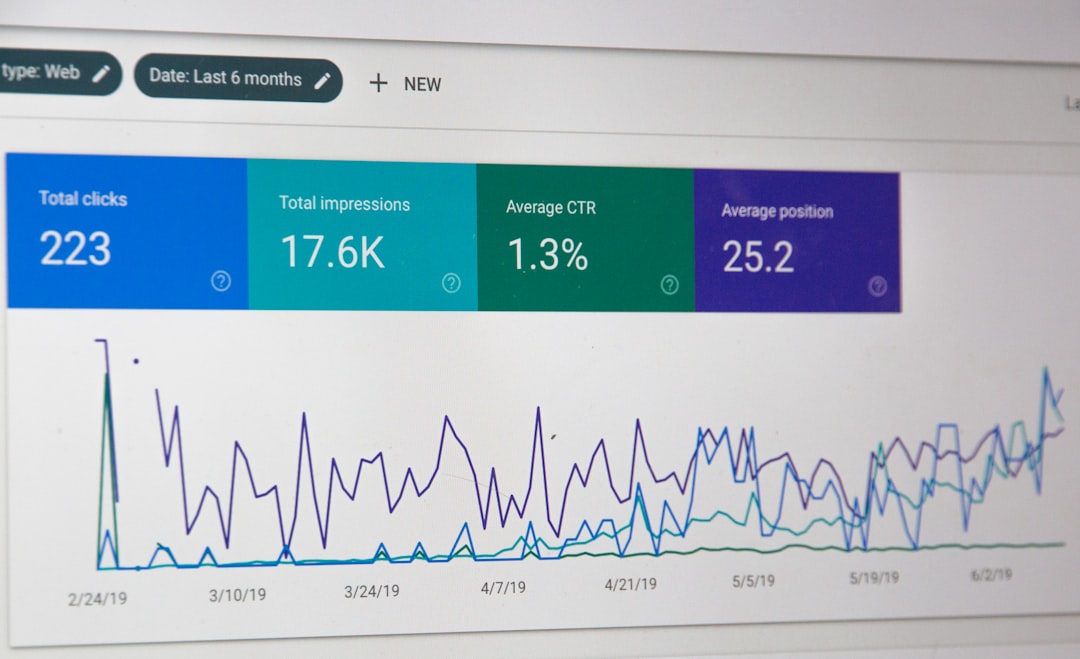
Google Search Console for local keywords. Filter by queries to see which searches your pages appear for and which pages attract clicks. Use this data to identify pages that rank but do not convert — they may need stronger calls to action.
Call tracking and form attribution. Assign a unique tracking number to your website (separate from your GBP number) so you can attribute inbound calls to organic search. Track form submission sources in your CRM.
Monthly performance reviews. Set aside time each month to review ranking trends, traffic, call volume, and review count. Consistent review cadence reveals patterns and keeps your strategy responsive.
—
FAQ
How long does it take for a lawyer SEO strategy to show results?
Local SEO is a long-term investment. Many law firms begin to see meaningful movement in map pack rankings and organic traffic within three to six months of consistent effort, though competitive markets can take longer. Foundational steps — GBP optimization, citation cleanup, and on-page fixes — often show earlier impact than content-driven results.
Is paid advertising a substitute for lawyer SEO?
Paid ads (Google Ads, Local Services Ads) can deliver inquiries quickly while organic rankings build, but they stop the moment you stop spending. SEO builds compounding authority over time, making it a complementary strategy rather than a direct substitute. Many firms run both simultaneously for the best coverage.
What keywords should a law firm prioritize first?
Prioritize practice area plus city combinations that match your highest-value services — for example, “personal injury attorney [city]” or “estate planning lawyer [county].” Start with keywords where competition is manageable and your practice volume justifies the effort, then expand as your domain authority grows.
Do law firms need separate websites for each practice area?
Not necessarily. A single well-structured website with dedicated pages for each practice area and service location is typically more effective than multiple thin websites. Consolidating authority on one domain tends to produce stronger rankings than splitting it across separate sites.
How do online reviews affect legal clients’ decisions?
Most people read reviews before choosing a service provider, and legal clients are no exception. Detailed reviews that describe specific experiences — the attorney’s responsiveness, the outcome context, the office’s professionalism — often carry more weight than star ratings alone. Consistent, genuine reviews can meaningfully influence a prospective client’s decision to call your firm.
Should attorneys respond to every Google review?
Responding to every review — positive and negative — is generally best practice. Responses demonstrate attentiveness to prospective clients who are reading reviews before choosing an attorney. Always follow your state bar’s rules on client confidentiality when crafting responses, even to negative ones.
—
Build Your Firm’s Local SEO Foundation — and Your Lead Pipeline
A well-executed lawyer SEO strategy compounds over time. The firms that dominate local search in competitive markets got there by being consistent: optimizing their GBP, publishing useful content, earning reviews, building citations, and measuring results month after month. There are no shortcuts, but there is a clear playbook — and this guide gives you that playbook.
The missing piece for many law firms is the operational infrastructure to act on it consistently. Automated review requests, a CRM that tracks every lead, email and SMS nurture sequences for prospects who are not ready to hire yet, and website analytics in one place — these capabilities make the difference between a strategy on paper and a strategy that produces inquiries.
That is exactly what LeadSites is built for. LeadSites is the all-in-one platform trusted by thousands of local businesses — from law firms and real estate agents to dentists and service contractors. It combines a website builder, sales funnels, CRM, email and SMS marketing, online booking, reputation management, and automation in a single platform. Customers report an average 65% increase in lead volume and save $450 or more per month by replacing six or more separate tools with one integrated solution.
Start your free 14-day trial at LeadSites.com — plans start at $97/month. No contracts, no technical team required, and everything your firm needs to turn local search into a consistent source of qualified consultations.